


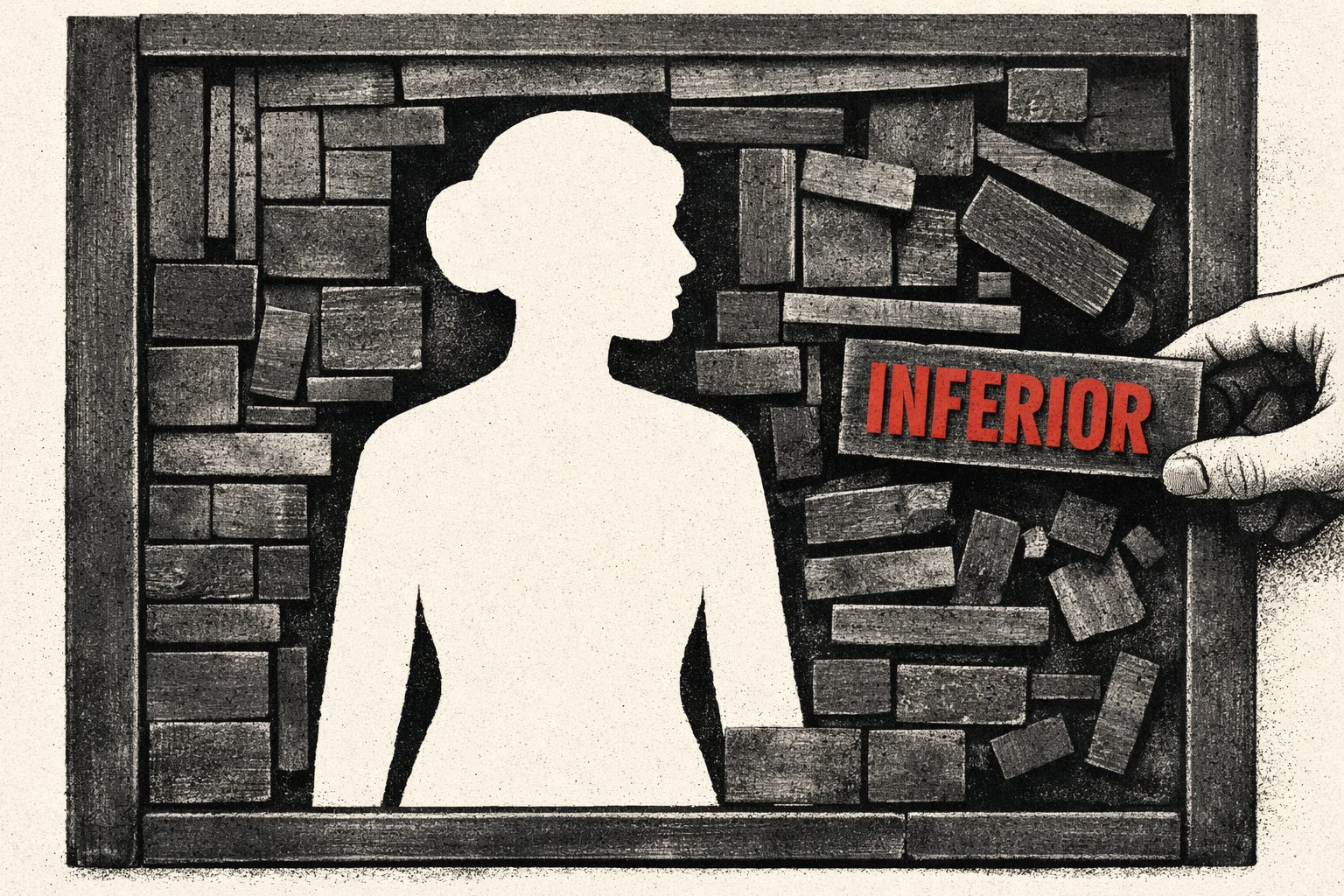
Most people — Sikhs included — carry one of two assumptions about Sikhi and women.
Either they assume Sikhi is “progressive on women” and leave it at that, without ever looking at what Gurbani actually says.
Or they assume Gurbani is mostly silent on the subject and that whatever dignity women have in Sikhi comes from later social reform.
Both assumptions are wrong.
Shabad Guru Granth Sahib Ji speaks directly, repeatedly, and with real force about women, the female body, marriage, contempt, and the religious systems that degrade women under the cover of purity and tradition.
This post asks a simple question:
When Gurbani speaks about women, what is it actually saying?
Not modern slogans borrowed from elsewhere.
Not vague praise of motherhood.
But the inner meaning shown by Shabad Guru Granth Sahib Ji itself.
If you do not read Punjabi, that is completely fine. Read the plain-English sections first. The selected Gurbani lines with simple phonetics are in the appendix at the end.
First: the same Light shines in women and men
On Ang 223, Guru Nanak Dev Ji says:
ਨਾਰੀ ਪੁਰਖ ਸਬਾਈ ਲੋਇ ॥੩॥
naaree purakh sabaaee loi
Plain-English sense:
Among all women and men, the same Divine Light shines.
The wider shabad is about Divine omnipresence — earth and sky, women and men, sun and moon. That wider context does not weaken the point. It makes it stronger.
This is not a compliment.
It is a theological claim about reality.
If the same Light pervades women and men, then any system that treats women as spiritually lesser is not Gurmat. It is human distortion dressed in religious clothing.
That one principle — same Light, same reality — cuts through spiritual hierarchy built on gender.
Second: Guru Nanak asks the question directly
On Ang 473, Guru Nanak Dev Ji says:
ਸੋ ਕਿਉ ਮੰਦਾ ਆਖੀਐ ਜਿਤੁ ਜੰਮਹਿ ਰਾਜਾਨ ॥
so kio mandaa aakheeai jit jammeh raajaan
Plain-English sense:
Why call her inferior — she from whom even kings are born?
But that single line is only the seal. The full passage is much sharper.
It traces the whole human chain through woman:
From woman, one is conceived.
From woman, one is born.
To woman, one is engaged and married.
With woman, one has friendship and companionship.
Through woman, the future generation comes.
When one woman dies, another bond is sought.
Through woman, the whole social order is tied together.
Then the question lands:
Why call her inferior?
This is not gentle praise of motherhood.
It is a dismantling of hypocrisy.
Gurbani is saying: you depend on woman for birth, kinship, continuity, and companionship — and then you have the audacity to call her inferior?
The only being who is beyond that chain, the passage concludes, is the One.
So the rebuke is not partial. It is total.
Third: marriage is not ownership — it is one light in two bodies
On Ang 788, Guru Amar Das Ji says:
ਧਨ ਪਿਰੁ ਏਹਿ ਨ ਆਖੀਅਨਿ ਬਹਨਿ ਇਕਠੇ ਹੋਇ ॥
ਏਕ ਜੋਤਿ ਦੁਇ ਮੂਰਤੀ ਧਨ ਪਿਰੁ ਕਹੀਐ ਸੋਇ ॥dhan pir ayhi na aakhee-an bahan ikthay hoe
ek jot dui moortee dhan pir kaheeai soe
Plain-English sense:
They are not called husband and wife who merely sit together.
They alone are truly husband and wife who are one light in two bodies.
That changes everything about how marriage is understood.
Marriage is not two people sitting in the same room.
Marriage is not a transaction.
Marriage is not ownership.
Marriage, in Gurbani, is spiritual partnership — one light shared, one direction held, one orientation to Truth.
This line undercuts the idea that marriage gives a man authority over a woman as property. If you are one light, you cannot honestly treat the other as an object.
Fourth: Gurbani destroys the logic of “impurity”
This is where Gurbani gets very direct.
On Ang 472, Guru Nanak Dev Ji addresses the wider logic of sutak — the habit of calling bodies, births, or ordinary processes of life impure. The teaching does mention monthly menses, but only to break the system behind the taboo.
ਜੇ ਕਰਿ ਸੂਤਕੁ ਮੰਨੀਐ ਸਭ ਤੈ ਸੂਤਕੁ ਹੋਇ ॥
je kar sootak manneeai sabh tai sootak hoe
Plain-English sense:
If you insist on calling this impurity, then impurity is everywhere.
Then the teaching shows what real impurity actually is:
Greed is impure.
Falsehood is impure.
Exploitative sight is impure.
Slander is impure.
Not the female body.
That is not a reform.
That is a removal of the theological basis for treating women’s bodies as polluting.
After this passage, no Sikh can honestly use Gurbani to shame a girl for menstruation, treat childbirth as contamination, or turn natural bodily processes into a spiritual stain.
Fifth: widow-burning is not virtue
On Ang 787, Guru Amar Das Ji addresses the practice of “sati” — the burning of a widow on her husband’s funeral pyre, a practice that carried religious prestige in parts of South Asia.
Guru Amar Das Ji does not call it noble.
He does not call it brave.
He refuses to call it sati at all.
ਸਤੀਆ ਏਹਿ ਨ ਆਖੀਅਨਿ ਜੋ ਮੜਿਆ ਲਗਿ ਜਲੰਨ੍ਹ੍ਹਿ ॥
satee-aa ayhi na aakhee-an jo marhiaa lag jalannh
Plain-English sense:
They are not called sati — those who burn themselves alongside the dead.
Then Gurbani relocates fidelity from fire to truth.
True sati, the passage shows, is the woman who lives with truthfulness, patience, and spiritual integrity — not the one who dies on a pyre to serve someone else’s idea of honour.
This was not a mild reform of a custom.
This was a rejection of its moral prestige.
And it was spoken long before British law banned the practice in 1829.
Sixth: material dowry has no spiritual honour
On Ang 79, Guru Ram Das Ji uses the language of dowry — but empties it of material prestige.
ਹੋਰਿ ਮਨਮੁਖ ਦਾਜੁ ਜਿ ਰਖਿ ਦਿਖਾਲਹਿ ਸੁ ਕੂੜੁ ਅਹੰਕਾਰੁ ਕਚੁ ਪਾਜੋ ॥
hor manmukh daaj je rakh dikhaaleh su koorh ahankaar kach paajo
Plain-English sense:
Any dowry that the self-willed display for show — that is false pride, a worthless display.
The true dowry, the passage teaches, is the Divine gift — not material show, not social display, not market value.
Gurbani is not issuing a legal ban.
But it is stripping material dowry of any claim to spiritual respectability.
And it is saying clearly: a daughter’s worth is not measured by what is sent with her.
Seventh: a woman’s seva is honoured inside the canon itself
On Ang 967, in the Ramkali Ki Vaar of Balwand and Satta, Mata Khivi Ji is named and praised for the langar she sustained under the Guru’s household:
ਬਲਵੰਡ ਖੀਵੀ ਨੇਕ ਜਨ ਜਿਸੁ ਬਹੁਤੀ ਛਾਉ ਪਤ੍ਰਾਲੀ ॥
balvand kheevee nek jan jis bahutee chhaao pataraalee
Plain-English sense:
Khivi is a noble and gracious person, who gives abundant shade and shelter through the Guru’s langar.
This matters because it is not a theoretical defence of women.
It is a woman — named — honoured — inside scripture itself — for institutional seva.
A woman is not merely defended in Gurbani.
A woman’s work is honoured within the text that Sikhs live under.
What Sikh discipline makes explicit
Where Gurbani gives the inner teaching, the Sikh Rehat Maryada often makes the application plain.
It says every Sikh — man, woman, boy, or girl — should learn Gurmukhi so as to read Shabad Guru Granth Sahib Ji.
It says the girl’s name must carry the suffix Kaur.
It rejects the idea that birth pollutes food and water.
It says a Sikh woman should not wear a veil or keep her face hidden.
It says only a Sikh may perform kirtan in congregation, without any gender qualification in the rule itself. It says a Sikh, man or woman, may attend Shabad Guru Granth Sahib Ji during congregational session.
It permits the Anand ceremony to be conducted by a man or a woman.
It forbids child marriage and accepting a match for monetary consideration.
It permits widow remarriage.
It forbids daughter-killing.
And it adds a moral instruction with direct social force: a Sikh should regard another man’s daughter as his own daughter.
These are not abstract ideals.
They are norms. Written down. Expected.
And where Sikh communities have failed to live them, the failure belongs to us — not to the Guru.
So what is Gurbani actually teaching?
If we gather the lines together, the picture becomes very clear:
The same Light shines in women and men. Woman is not to be called inferior.
The female body is not impure. Impurity belongs to greed, falsehood, and exploitation.
Marriage is not ownership. It is one light in two bodies.
Widow-burning is not virtue. It is rejected.
Material dowry has no spiritual honour.
A woman’s institutional seva is honoured within the canon itself.
And Sikh discipline makes girls’ education, independent naming, refusal of veiling, dignified participation in congregational life, widow remarriage, and the prohibition of daughter-killing explicit.
What this means in real life
Gurbani is becoming real in how we treat women and girls when:
girls are educated and given scriptural literacy
daughters are not treated as burdens,
marriage is understood as partnership, not purchase,
women’s participation in congregational life is not treated as second-class or blocked by claims of impurity,
the body is not shamed for being female,
and no one treats a woman’s worth as something a man gets to decide.
That is not a modern import into Sikhi.
That is what Gurbani has been saying all along.
The simplest way to say it
If someone asked, “In one sentence, what does Gurbani say about women?”
a strong Gurmat answer would be:
The same Light that is in a man is in a woman, and any system that calls her inferior has already departed from the Guru’s teaching.
The bottom line
Shabad Guru Granth Sahib Ji does not argue for women’s dignity as a concession.
It makes a claim about reality.
And it has been making that claim since Guru Nanak Dev Ji asked the question on Ang 473 that still waits for an honest answer from every Sikh generation:
Why call her inferior?
Appendix: Selected Gurbani lines, simple phonetics, and Ang references
A) Ang 223 — Gauree, Guru Nanak Dev Ji
ਨਾਰੀ ਪੁਰਖ ਸਬਾਈ ਲੋਇ ॥੩॥
naaree purakh sabaaee loi
Among all women and men, the same Divine Light shines.
B) Ang 473 — Raag Aasaa, Guru Nanak Dev Ji
ਭੰਡਿ ਜੰਮੀਐ ਭੰਡਿ ਨਿੰਮੀਐ ਭੰਡਿ ਮੰਗਣੁ ਵੀਆਹੁ ॥
bhand jammeeai bhand nimmeeai bhand mangan veeaahu
ਭੰਡਹੁ ਹੋਵੈ ਦੋਸਤੀ ਭੰਡਹੁ ਚਲੈ ਰਾਹੁ ॥
bhandahu hovai dostee bhandahu chalai raahu
ਭੰਡੁ ਮੁਆ ਭੰਡੁ ਭਾਲੀਐ ਭੰਡਿ ਹੋਵੈ ਬੰਧਾਨੁ ॥
bhand muaa bhand bhaaleeai bhand hovai bandhaanu
ਸੋ ਕਿਉ ਮੰਦਾ ਆਖੀਐ ਜਿਤੁ ਜੰਮਹਿ ਰਾਜਾਨ ॥
so kio mandaa aakheeai jit jammeh raajaan
ਭੰਡਹੁ ਹੀ ਭੰਡੁ ਊਪਜੈ ਭੰਡੈ ਬਾਝੁ ਨ ਕੋਇ ॥
bhandahu hee bhand oopjai bhandai baajh na koe
ਨਾਨਕ ਭੰਡੈ ਬਾਹਰਾ ਏਕੋ ਸਚਾ ਸੋਇ ॥
naanak bhandai baahraa eyko sachaa soe
From woman, one is born. Within woman, one is conceived. To woman, one is engaged and married. Through woman comes friendship and the road of life. When one woman dies, another is sought. Through woman the social bond continues. So why call her inferior — she from whom even kings are born? From woman, woman is born; without woman, no one would exist. Only the One is beyond this.
C) Ang 788 — Guru Amar Das Ji
ਧਨ ਪਿਰੁ ਏਹਿ ਨ ਆਖੀਅਨਿ ਬਹਨਿ ਇਕਠੇ ਹੋਇ ॥
dhan pir ayhi na aakhee-an bahan ikthay hoe
ਏਕ ਜੋਤਿ ਦੁਇ ਮੂਰਤੀ ਧਨ ਪਿਰੁ ਕਹੀਐ ਸੋਇ ॥
ek jot dui moortee dhan pir kaheeai soe
They are not called husband and wife who merely sit together. They alone are truly husband and wife who are one light in two bodies.
D) Ang 472 — Selected lines from Guru Nanak Dev Ji’s sutak teaching on the same Ang, drawn from more than one salok
ਜਿਉ ਜੋਰੂ ਸਿਰਨਾਵਣੀ ਆਵੈ ਵਾਰੋ ਵਾਰ ॥
jio joroo sirnaavanee aavai vaaro vaar
ਜੇ ਕਰਿ ਸੂਤਕੁ ਮੰਨੀਐ ਸਭ ਤੈ ਸੂਤਕੁ ਹੋਇ ॥
je kar sootak manneeai sabh tai sootak hoe
ਮਨ ਕਾ ਸੂਤਕੁ ਲੋਭੁ ਹੈ ਜਿਹਵਾ ਸੂਤਕੁ ਕੂੜੁ ॥
man kaa sootak lobh hai jihvaa sootak koorh
ਅਖੀ ਸੂਤਕੁ ਵੇਖਣਾ ਪਰ ਤ੍ਰਿਅ ਪਰ ਧਨ ਰੂਪੁ ॥
akhee sootak vekhanaa par tria par dhan roop
ਕੰਨੀ ਸੂਤਕੁ ਕੰਨਿ ਪੈ ਲਾਇਤਬਾਰੀ ਖਾਹਿ ॥
kannee sootak kann pai laaitbaaree khaahi
ਸਭੋ ਸੂਤਕੁ ਭਰਮੁ ਹੈ ਦੂਜੈ ਲਗੈ ਜਾਇ ॥
sabho sootak bharam hai doojai lagai jaae
The teaching mentions monthly menses, then breaks the wider logic of impurity. If you insist on calling this impurity, then impurity is everywhere. Real impurity is greed, falsehood, exploitative sight, and slander. All impurity is bound up with delusion and attachment to duality.
E) Ang 787 — Salok, Guru Amar Das Ji
ਸਤੀਆ ਏਹਿ ਨ ਆਖੀਅਨਿ ਜੋ ਮੜਿਆ ਲਗਿ ਜਲੰਨ੍ਹ੍ਹਿ ॥
satee-aa ayhi na aakhee-an jo marhiaa lag jalannh
ਨਾਨਕ ਸਤੀਆ ਜਾਣੀਅਨ੍ਹ੍ਹਿ ਜਿ ਬਿਰਹੇ ਚੋਟ ਮਰੰਨ੍ਹ੍ਹਿ ॥੧॥
naanak satee-aa jaanee-anh ji birhay chot marannh
ਭੀ ਸੋ ਸਤੀਆ ਜਾਣੀਅਨਿ ਸੀਲ ਸੰਤੋਖਿ ਰਹੰਨ੍ਹ੍ਹਿ ॥
bhee so satee-aa jaanee-an seel santokh rahannh
ਸੇਵਨਿ ਸਾਈ ਆਪਣਾ ਨਿਤ ਉਠਿ ਸੰਮ੍ਹ੍ਹਾਲੰਨ੍ਹ੍ਹਿ ॥੨॥
sevan saaee aapnaa nit uth samhaalannh
They are not called sati who burn with the dead. True sati is shown not by the pyre, but by truthful, disciplined, spiritually grounded living.
F) Ang 79 — Siree Raag, Guru Ram Das Ji
ਹੋਰਿ ਮਨਮੁਖ ਦਾਜੁ ਜਿ ਰਖਿ ਦਿਖਾਲਹਿ ਸੁ ਕੂੜੁ ਅਹੰਕਾਰੁ ਕਚੁ ਪਾਜੋ ॥
hor manmukh daaj je rakh dikhaaleh su koorh ahankaar kach paajo
ਹਰਿ ਪ੍ਰਭ ਮੇਰੇ ਬਾਬੁਲਾ ਹਰਿ ਦੇਵਹੁ ਦਾਨੁ ਮੈ ਦਾਜੋ ॥੪॥
har prabh mere baabulaa har devahu daan mai daajo
Any dowry displayed for show is false pride and a worthless display. The true dowry asked for is the Divine gift.
G) Ang 967 — Ramkali Ki Vaar of Balwand and Satta
ਬਲਵੰਡ ਖੀਵੀ ਨੇਕ ਜਨ ਜਿਸੁ ਬਹੁਤੀ ਛਾਉ ਪਤ੍ਰਾਲੀ ॥
balvand kheevee nek jan jis bahutee chhaao pataraalee
Khivi is a noble and gracious person, who gives abundant shade and shelter through the Guru’s langar.
H) Ang 1144 — Bhairao, Guru Arjan Dev Ji
ਤੂ ਮੇਰਾ ਪਿਤਾ ਤੂਹੈ ਮੇਰਾ ਮਾਤਾ ॥
too mayraa pitaa toohai mayraa maataa
You are my Father; You are my Mother.
Source note
The Rehat Maryada clauses relied on in this post are Article VI(a), VII(c), VIII(b), XVI(i), XVI(l), XVI(p), XVI(s), XVII(a)–(b), and XVIII(d), (j), (l), (n), and (o). These are the clauses behind the article’s claims about kirtan, attendance before Shabad Guru Granth Sahib Ji, Gurmukhi learning, Kaur, rejection of birth-pollution, refusal of veiling, conduct toward daughters, the marriage ceremony being led by a man or woman, no monetary consideration in a match, and widow remarriage.
Verify (so you don’t have to trust me)
Eight Gurbani passages are quoted or directly relied on in this post. Here are the Ang references:
ੴ ਨਾਰੀ ਪੁਰਖ ਸਬਾਈ ਲੋਇ — Ang 223 (Gauree, Guru Nanak Dev Ji)
ੴ ਸੋ ਕਿਉ ਮੰਦਾ ਆਖੀਐ ਜਿਤੁ ਜੰਮਹਿ ਰਾਜਾਨ — Ang 473 (Raag Aasaa, Guru Nanak Dev Ji)
ੴ ਏਕ ਜੋਤਿ ਦੁਇ ਮੂਰਤੀ ਧਨ ਪਿਰੁ ਕਹੀਐ ਸੋਇ — Ang 788 (Guru Amar Das Ji)
ੴ ਜਿਉ ਜੋਰੂ ਸਿਰਨਾਵਣੀ / ਜੇ ਕਰਿ ਸੂਤਕੁ ਮੰਨੀਐ — Ang 472 (Saloks, Guru Nanak Dev Ji)
ੴ ਸਤੀਆ ਏਹਿ ਨ ਆਖੀਅਨਿ ਜੋ ਮੜਿਆ ਲਗਿ ਜਲੰਨ੍ਹ੍ਹਿ — Ang 787 (Salok, Guru Amar Das Ji)
ੴ ਹੋਰਿ ਮਨਮੁਖ ਦਾਜੁ ਜਿ ਰਖਿ ਦਿਖਾਲਹਿ — Ang 79 (Siree Raag, Guru Ram Das Ji)
ੴ ਬਲਵੰਡ ਖੀਵੀ ਨੇਕ ਜਨ — Ang 967 (Ramkali Ki Vaar of Balwand and Satta)
ੴ ਤੂ ਮੇਰਾ ਪਿਤਾ ਤੂਹੈ ਮੇਰਾ ਮਾਤਾ — Ang 1144 (Bhairao, Guru Arjan Dev Ji)
Cross-check instruction:
Open each Ang on two independent SGGS databases and confirm that the line matches line by line, allowing for ordinary font or encoding differences across databases.
If you spot a mismatch in text, Ang reference, romanisation, or English sense, I will correct it publicly and calmly with a dated correction note.