


The most dangerous threat to Sikhi is not contempt.
It is praise.
When a tradition is attacked openly, its members recognise the danger and defend what they hold. When a tradition is absorbed through admiration — honoured, celebrated, elevated, and then quietly relocated into someone else’s story — the defence rarely comes, because nothing feels like it is under attack. Everything feels like recognition.
That is the mechanism this essay addresses. Not the hostile version of the problem, which is visible and can be named. The admiring version, which is harder to see — and which, for that reason, is often more dangerous.
And the hardest part of what follows is this: this mechanism does not operate only from outside the Panth. Sikhs can do this to themselves. Are doing it. Have been doing it. And if the Panth does not name it clearly and refuse it precisely, the consequence is not only misrepresentation. It is the slow, quiet death of a living tradition — the replacement of Gurmat with a costume that wears Gurmat’s words while answering to something else entirely.
That is a serious matter. It deserves to be stated plainly.
How absorption works — in five stages
Stage one: the praise arrives.
Sikh history is honoured. The Gurus are admired. The Khalsa is celebrated. The Sahibzade are solemnly commemorated. The language is warm, the intent may be genuine, and the community receives it as recognition — often after long periods of being marginalised, misunderstood, or ignored. The praise feels good because communities that have been overlooked are especially vulnerable to being seen.
Stage two: the frame arrives with the praise.
The praise does not come alone. It comes inside a frame. The Gurus become the foundation of national character. The Khalsa becomes an act of national integration. The Sahibzade’s shahadat becomes a lesson in patriotism, civic virtue, or “Bhartiyata.” Guru Tegh Bahadur Ji’s fearlessness becomes the spirit behind border protection or military language. The frame is not announced. It is embedded inside the celebration, so that accepting the praise often means accepting the frame that carries it.
Stage three: gratitude becomes the mechanism of control.
Once the community has received the honour, a pressure is created — subtle at first, then increasing — to respond with gratitude. To not appear ungrateful for the recognition being given. To soften objection. To emphasise what is shared rather than what is being lost. A community that has been praised finds it much harder to say: this praise is mislocating us. Because saying that can be made to sound like ingratitude, overreaction, or hostility toward those who “meant well.”
That is how praise functions as control. Not through force. Through debt.
Stage four: the community begins to interpret itself through the offered frame.
This is the turning point. Once enough members of the community have internalised the nationalist or cultural interpretation — Khalsa as national integration, Guru as nation-builder, shahadat as civic inspiration — the community begins to produce its own version of that interpretation and call it Sikh scholarship, Sikh education, Sikh identity, or Sikh outreach. It no longer needs external pressure. It begins to police itself. Writers, speakers, and educators from within the community start transmitting the borrowed frame as if it were Gurmat.
Stage five: the next generation inherits the substitution.
Children grow up knowing a story. But it is not the Guru’s story in the Guru’s categories. It is the state’s story, or the nationalist’s story, or the community’s reduced story, wearing the Guru’s words. The form remains. The content has shifted. Deen — righteousness, truth, what must not be surrendered under any power — becomes national duty. Shahadat becomes civic courage. Nirbhau becomes public bravery. Giaanee becomes a brave child or a useful patriot. Gurbani is still quoted. But it has been taught to answer to a different master.
That is what erosion looks like. Not destruction. Not conquest. Quiet replacement, generation by generation, until the inherited version feels normal and the Guru’s own categories begin to sound unfamiliar.
This is not only what governments do. It is what Sikhs can do to themselves.
An open letter published on PanthSeva to the Prime Minister of India documented how, from 2022 onward, official Indian government speeches have repeatedly placed Sikh sacred memory inside a national frame: Gurbani described as part of developed India, the Sahibzade’s shahadat framed as a lesson in protecting Bhartiyata, Guru Tegh Bahadur Ji’s fearlessness invoked and then linked to border-protection and military language. That official pattern is real, documented, and serious.
But the same structure can also appear inside the Panth.
It appears whenever Sikh history is explained first through ethnic pride, territorial nationalism, civilisational vanity, or cultural sentiment rather than through Gurmat. The details may differ. The structure is the same. Sikh meaning is relocated from the Guru’s categories into a human frame, and then that frame begins to govern how the next generation receives the tradition.
That version of the problem is harder to name because it wears Sikh authority. It is harder to resist because the people doing it are often sincere, often learned, and often motivated by genuine love of Sikh history. But sincerity and love do not stop the mechanism from operating. Sometimes they make it feel safer.
What Shabad Guru Granth Sahib Ji says about where Sikh meaning must be held
For me, the only final source of Sikh meaning is Shabad Guru Granth Sahib Ji. That is not a preference. It is the foundational Sikh claim. If a claim about Sikhi cannot stand before Shabad Guru Granth Sahib Ji, it should not be made to carry Sikh authority.
And Shabad Guru Granth Sahib Ji is unambiguous about where Sikh meaning is anchored.
Gurmukhi
ੴ ਸਤਿ ਨਾਮੁ ਕਰਤਾ ਪੁਰਖੁ ਨਿਰਭਉ ਨਿਰਵੈਰੁ
ਅਕਾਲ ਮੂਰਤਿ ਅਜੂਨੀ ਸੈਭੰ ਗੁਰ ਪ੍ਰਸਾਦਿ ॥
English Roman
ik-oNkaar sat naam kartaa purakh nirbha-o nirvair
akaal moorat ajoonee saibhaN gur parsaad.
Plain sense:
The One is true, creative, fearless, without enmity, beyond birth and death, self-existent, realized by the Guru’s grace.
Ang 1
This is where Sikh life begins. Not in the state. Not in the nation. Not in ethnic pride. Not in civilisational self-praise. It begins in Ik Oankaar — the Timeless, Fearless, Without-Enmity One. Every claim that follows must remain answerable to this centre. A nation is temporal. A civilisation has boundaries. An ethnic community has interests. The Guru’s centre is higher and older than all of these, and it is not contained by any of them.
The moment Sikh meaning is made to answer to something lower than this centre, the substitution has already begun.
Gurmukhi
ਸਬਦੁ ਗੁਰੂ ਸੁਰਤਿ ਧੁਨਿ ਚੇਲਾ ॥
English Roman
sabad guroo surat Dhun chaylaa.
Plain sense:
Shabad is Guru. The disciple is the consciousness that becomes attuned to Shabad.
Ang 943
If Shabad is Guru, then the authority over Sikh identity does not belong to the nation, the state, the political movement, the ethnic community, or the admiring outsider. It belongs to Shabad. Any interpretation of Sikh history, Sikh courage, or Sikh identity that is not answerable to Shabad has already exceeded its authority — regardless of how warmly it is offered or how sincerely it is received.
Gurmukhi
ਬਾਣੀ ਗੁਰੂ ਗੁਰੂ ਹੈ ਬਾਣੀ ਵਿਚਿ ਬਾਣੀ ਅੰਮ੍ਰਿਤੁ ਸਾਰੇ ॥
ਗੁਰੁ ਬਾਣੀ ਕਹੈ ਸੇਵਕੁ ਜਨੁ ਮਾਨੈ ਪਰਤਖਿ ਗੁਰੂ ਨਿਸਤਾਰੇ ॥੫॥
English Roman
banee guroo guroo hai banee vich banee amrit saaray.
gur banee kahai sayvak jan maanai partakh guroo nistaaray. ||5||
Plain sense:
Bani is Guru, and Guru is Bani. Within Bani is the ambrosial nectar. The sevak accepts what Guru speaks through Bani, and Guru carries that person across.
Ang 982, Guru Ram Das Ji (Mahalla 4)
These are not ornamental lines. They settle the question of authority. If Shabad is Guru and Bani is Guru, then Sikh identity cannot be finally interpreted by the nation, the state, or any public ideology. A writer may admire Sikh history sincerely. That admiration is not enough. If the frame of interpretation is not answerable to Shabad, the praise has already gone astray.
Gurmukhi
ਸੋ ਸਿਖੁ ਸਖਾ ਬੰਧਪੁ ਹੈ ਭਾਈ ਜਿ ਗੁਰ ਕੇ ਭਾਣੇ ਵਿਚਿ ਆਵੈ ॥
English Roman
so sikh sakhaa banDhap hai bhaa-ee je gur kay bhaanay vich aavai.
Plain sense:
He alone is a Sikh, a friend, a relative, who walks in the Guru’s will.
Ang 601
A Sikh is not defined by national belonging, ethnic origin, civilisational placement, or political alignment. A Sikh is defined by coming into the Guru’s Bhana. That is the criterion. It does not change because a nation wants to honour Sikh history. It does not change because a diaspora community wants to assert cultural pride. It does not change because a political movement wants the moral authority of the Khalsa behind its cause. And it does not change because a Sikh scholar, out of love for the tradition, begins to describe the Khalsa in nationalist terms.
When those pressures are allowed to redefine what a Sikh is — even gradually, even affectionately, even from inside the community — the Guru’s own definition is being displaced.
The Khalsa belongs to the Guru — not to any nation, and not to any Sikh who would reframe it in those terms either
This sentence needs to be stated directly because it is where the argument becomes most uncomfortable.
The Khalsa does not become more itself when it is placed inside any nation’s story. It becomes less itself. Because the Khalsa’s meaning comes from its relationship to the Timeless One — above every empire, every state, every nation, every political movement, every ethnic claim.
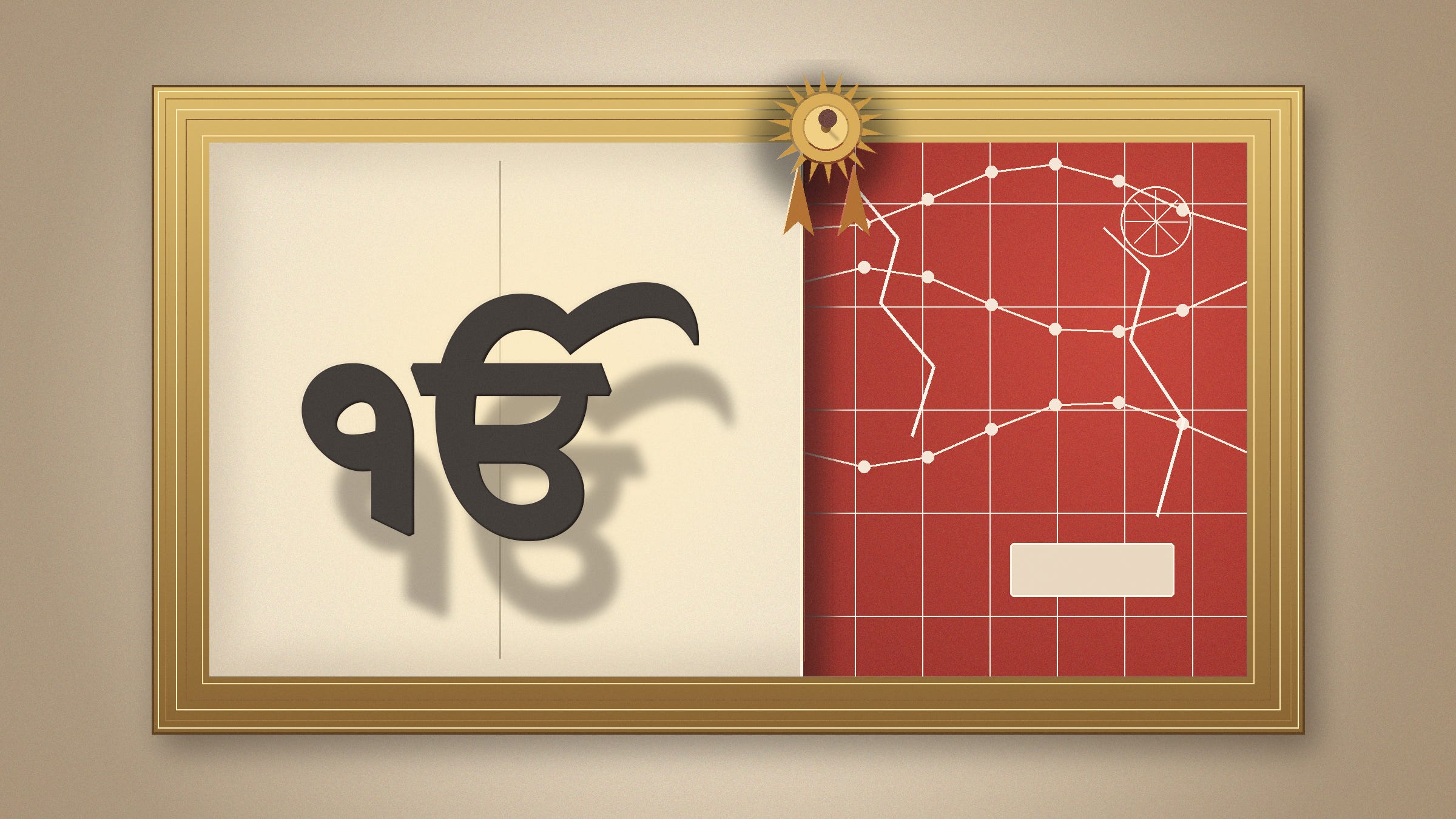
This is why the Panj Pyare cannot honestly be described as a map of India — or of Punjab, or of any territorial or ethnic identity. Their geographical spread demonstrates something Gurmat had been teaching since Guru Nanak Dev Ji: that the Guru’s door is open to all, that no caste or region is closer to the Guru than any other, and that a Sikh is defined by relationship to the Guru, not by birth, region, or social station. That is already a universality larger than any national claim. Fitting it inside a national frame is not an expansion of its meaning. It is a contraction.
Gurmat universality is not the same as national unity
One of the most common moves in nationalist writing on Sikhi — from inside the community as much as from outside — is to take the Guru’s universality and make it prove integration. Guru Nanak Dev Ji taught the oneness of all humanity; therefore the Khalsa is a project of national unity. The Panj Pyare came from across the subcontinent; therefore Vaisakhi 1699 is a conscious act of national integration. The Gurus taught the welfare of all; therefore Sikhi naturally serves the state’s story about itself.
Each of these moves sounds like it is enlarging Sikh meaning. Each is in fact contracting it.
Gurmukhi
ਅਵਲਿ ਅਲਹ ਨੂਰੁ ਉਪਾਇਆ ਕੁਦਰਤਿ ਕੇ ਸਭ ਬੰਦੇ ॥
ਏਕ ਨੂਰ ਤੇ ਸਭੁ ਜਗੁ ਉਪਜਿਆ ਕਉਨ ਭਲੇ ਕੋ ਮੰਦੇ ॥੧॥
English Roman
aval alah noor upaaiaa kudrat kay sabh banday.
ayk noor tay sabh jag upjiaa ka-un bhalay ko manday. ||1||
Plain sense:
The One first created the Light; all beings are of that creation. From the one Light the whole world arose — so who is high and who is low?
Ang 1349
This is the Guru’s universality. It is not Indian universality. It is not the universality of any civilisation calling itself the centre of humanity. It is not the universality of any diaspora community imagining itself the carrier of Sikh values to the world. It is the one Light in all — before nations existed and after all nations will have passed.
To take that universality and make it prove that the Khalsa is the emblem of one nation, one civilisation, or one ethnic destiny is not to honour the Guru’s vision. It is to shrink it.
What is at stake if the Panth does not hold this line
The question is not only whether Sikh history is being misrepresented in articles and official speeches. The question is what happens to the next generation of Sikhs if the substitution is not named and refused from within.
If children grow up learning that the Sahibzade’s story is first a lesson in national bravery, they will not be learning the Sikh categories — shahadat, deen, standing firm in Gurmat under coercion. They will be learning a different lesson that uses Sikh names and Sikh occasions as its vessel. The vessel may look Sikh. The content will not be.
If young Sikhs learn that Nirbhau means the fearlessness of a soldier who protects borders, or a community that asserts its ethnic identity, they will not be learning what Shabad Guru Granth Sahib Ji says fearlessness means:
Gurmukhi
ਭੈ ਕਾਹੂ ਕਉ ਦੇਤ ਨਹਿ ਨਹਿ ਭੈ ਮਾਨਤ ਆਨ ॥
ਕਹੁ ਨਾਨਕ ਸੁਨਿ ਰੇ ਮਨਾ ਗਿਆਨੀ ਤਾਹਿ ਬਖਾਨਿ ॥੧੬॥
English Roman
bhai kaahoo ka-o dayt neh neh bhai maanat aan.
kaho naanak sun ray manaa gi-aanee taahi bakhaan. ||16||
Plain sense:
The spiritually mature person does not frighten anyone, and does not live in fear of anyone. Shabad calls such a person giaanee — spiritually wise.
Ang 1427
Giaanee. Not a national hero. Not a brave child who lived for the motherland. Not an ethnic champion who stood for the community. A person of spiritual wisdom who neither terrifies nor submits to terror — whose fearlessness comes from the Guru, not from the state or communal pride. If that category is replaced by national courage or ethnic assertiveness, the next generation will not have lost a label. They will have lost access to the Guru’s actual teaching about what courage is and where it comes from.
And if the Sikh measure of the true sooraa is replaced by usefulness to a cause:
Gurmukhi
ਸੂਰਾ ਸੋ ਪਹਿਚਾਨੀਐ ਜੁ ਲਰੈ ਦੀਨ ਕੇ ਹੇਤ ॥
ਪੁਰਜਾ ਪੁਰਜਾ ਕਟਿ ਮਰੈ ਕਬਹੂ ਨ ਛਾਡੈ ਖੇਤੁ ॥੨॥੨॥
English Roman
sooraa so pahichaanee-ai jo larai deen kay hayt.
purjaa purjaa kat marai kabhoo na chhaadai khayt. ||2||2||
Plain sense:
The true sooraa is recognised by this: they stand and struggle for deen — righteousness, truth, what must not be surrendered under any power. Even if cut piece by piece, they do not leave the field.
Ang 1105
That is the Sikh category. Not the nation. Not any ethnic community’s interest. When it is replaced — from any direction, by any well-meaning interpreter — something essential has been taken. Not from Sikh history, but from the living Sikh conscience.
The correction the Panth must make — to itself, not only to others
It is easier to object to what governments do. Governments are outside. Their pressure is visible. Their speeches can be cited, their sources linked, their framing documented.
It is harder to object to what communities do to themselves. The internal version of this mistake wears the authority of insiders. It speaks the language of love for the tradition. It is often driven by genuine pride in Sikh history, genuine concern for the community, genuine desire to preserve what the Guru gave. And it is for precisely those reasons that it is the more dangerous version. The Panth’s defences are not naturally raised against internal admiration. They should be.
So the correction must be stated clearly, for the Panth as much as for any outside commentator or government:
Do not frame Sikh identity through ethnic pride and call it Gurmat.
Do not reduce the Khalsa to a symbol of territorial nationalism and call it faithfulness to the Guru.
Do not celebrate shahadat primarily through the lens of what it did for someone else’s national story and call it Sikh memory.
Do not teach the Gurus’ universality as civilisational self-praise and call it Sikh education.
Do not receive national honour for Sikh history with gratitude so warm that the frame embedded inside the honour is never examined.
And do not speak of Vaisakhi 1699 as an act of national integration — of any nation — and call that interpretation of the Guru’s work.
The Guru’s categories are not decorative. They are the living substance of Sikhi. When they are replaced — however gradually, however affectionately, however sincerely — the tradition is being diminished. And a tradition sufficiently diminished from within cannot be recovered merely by objecting to what governments do from without.
The one thing that holds
Shabad Guru Granth Sahib Ji cannot be nationalised.
It can be quoted inside a national frame. It can be used to decorate a national story. It can be placed on stages at government ceremonies and cited in official speeches. All of that has already happened.
But Shabad Guru Granth Sahib Ji itself — its actual categories, its actual claims about what a Sikh is, what deen is, what fearlessness is, what the true sooraa is, what the one Light in all means — does not answer to the nation. It answers to the Timeless One.
That is what it says about itself.
That is what the Panth must keep saying about it — clearly, calmly, and without apology — every time the substitution is attempted, from whatever direction it comes.
The Khalsa does not need the nation to make it large.
Gurmat already makes it larger than any nation.
That is why the Khalsa cannot honestly be explained as a nation-building project — by any government, any outside commentator, or any Sikh. Such a claim does not arise from Shabad Guru Granth Sahib Ji. It arises from a nationalist frame laid over Sikh history after the fact.
The admiration may be sincere.
The facts selected may be real.
But the frame is still wrong.
And the correction must be made — not only to governments and outside writers, but to every Sikh who has, in admiration for their own history, begun to make Sikhi smaller than the Guru gave it.
That is the correction.
Verify block
Gurbani locations used in this article
Ang 1:
ੴ ਸਤਿ ਨਾਮੁ ਕਰਤਾ ਪੁਰਖੁ ਨਿਰਭਉ ਨਿਰਵੈਰੁ...— https://sggsonline.com/guru-granth-sahib-page-1/Ang 601:
ਸੋ ਸਿਖੁ ਸਖਾ ਬੰਧਪੁ ਹੈ ਭਾਈ ਜਿ ਗੁਰ ਕੇ ਭਾਣੇ ਵਿਚਿ ਆਵੈ ॥— https://sggsonline.com/guru-granth-sahib-page-601/Ang 943:
ਸਬਦੁ ਗੁਰੂ ਸੁਰਤਿ ਧੁਨਿ ਚੇਲਾ ॥— https://sggsonline.com/guru-granth-sahib-page-943/Ang 982:
ਬਾਣੀ ਗੁਰੂ ਗੁਰੂ ਹੈ ਬਾਣੀ...through...ਪਰਤਖਿ ਗੁਰੂ ਨਿਸਤਾਰੇ ॥੫॥— https://sggsonline.com/guru-granth-sahib-page-982/Ang 1105:
ਸਲੋਕ ਕਬੀਰ ॥ ਗਗਨ ਦਮਾਮਾ...through...ਕਬਹੂ ਨ ਛਾਡੈ ਖੇਤੁ ॥੨॥੨॥— https://sggsonline.com/guru-granth-sahib-page-1105/Ang 1349:
ਅਵਲਿ ਅਲਹ ਨੂਰੁ ਉਪਾਇਆ...through...ਕਉਨ ਭਲੇ ਕੋ ਮੰਦੇ ॥੧॥— https://sggsonline.com/guru-granth-sahib-page-1349/Ang 1427:
ਭੈ ਕਾਹੂ ਕਉ ਦੇਤ ਨਹਿ...through...ਗਿਆਨੀ ਤਾਹਿ ਬਖਾਨਿ ॥੧੬॥— https://sggsonline.com/guru-granth-sahib-page-1427/
Cross-check instruction: Open each Ang on two independent Gurbani databases and confirm the Gurmukhi matches line by line, including the closing markers. If any reader spots a mismatch in Gurmukhi, English Roman, Ang reference, or plain-sense rendering, it should be corrected publicly with a dated correction note.
Source note
This is a principle piece addressed to the Panth as much as to outside commentators. It follows two related PanthSeva pieces in the same sequence:
Prime Minister, Sikh Sacred Memory Cannot Be Made to Answer to the Nation
The Khalsa Belongs to Gurmat — Not to Nationalism
This essay addresses the deeper question beneath both: what does it do to a living tradition when Sikh sacred memory is repeatedly relocated from Gurmat into nationalist frames, and what must the Panth do — including to itself — to refuse that substitution?
All doctrinal claims in this essay are grounded in Shabad Guru Granth Sahib Ji alone.
Bhul chuk maaf.
— Gurjit Singh Sandhu (PanthSeva)